




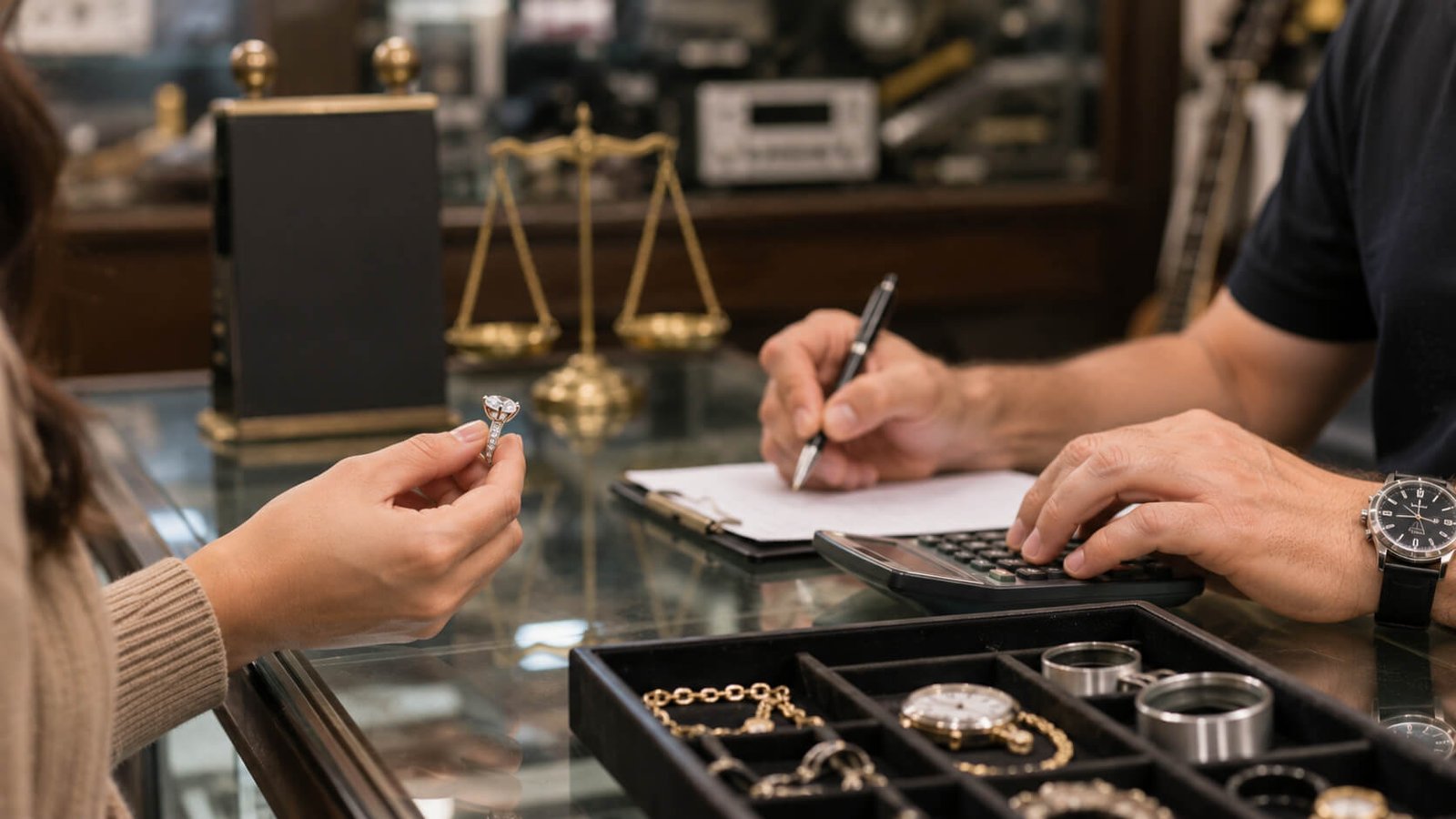
If you’re considering selling your cubic zirconia jewelry at a pawn shop, the honest answer is no—the cubic zirconia stone itself holds virtually no resale value. However, the metal setting the stone is mounted in can still be worth something. This guide explains exactly how pawn shops evaluate CZ jewelry and what you can realistically expect.
Why Cubic Zirconia Has No Resale Value
Pawn shops are in the business of buying items they can resell at a profit. Cubic zirconia doesn’t fit this model for several key reasons:
It’s a Synthetic Stone
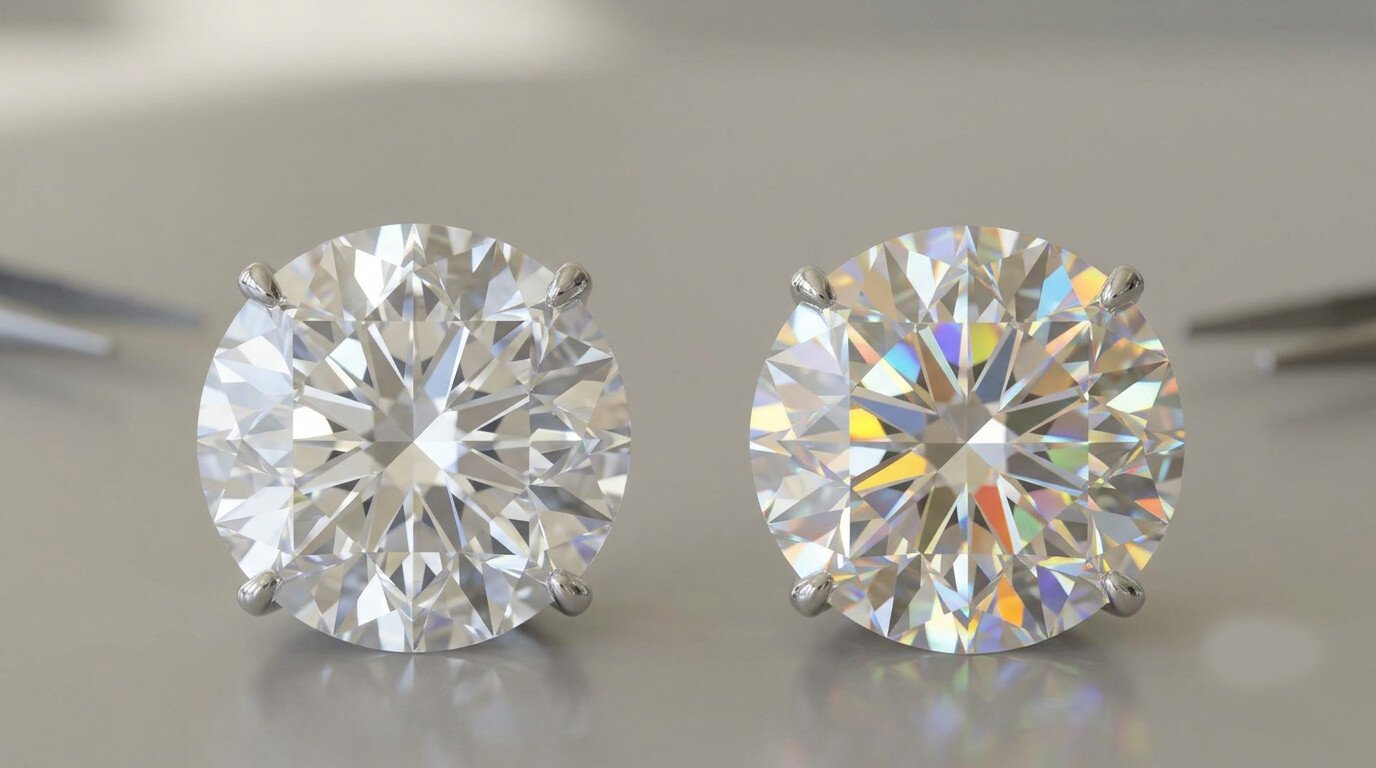
Cubic zirconia is a lab-created gemstone made from zirconium dioxide. Unlike natural gemstones like diamonds, rubies, or sapphires, CZ has no rarity or intrinsic scarcity. It can be mass-produced quickly and inexpensively, which is reflected in its low retail price of $10–$30 per carat.
No Investment Potential
Industry experts consistently note that cubic zirconia has no resale or investment value. While a diamond can retain or even appreciate in value over time, a CZ is purely decorative. As one jewelry guide explains, “CZ offers way more flexibility for updating your collection seasonally or as your style evolves” but holds no value as a financial asset. Pawn shops know they cannot resell a CZ stone for a meaningful profit, so they won’t offer money for it.
Common in Fashion Jewelry
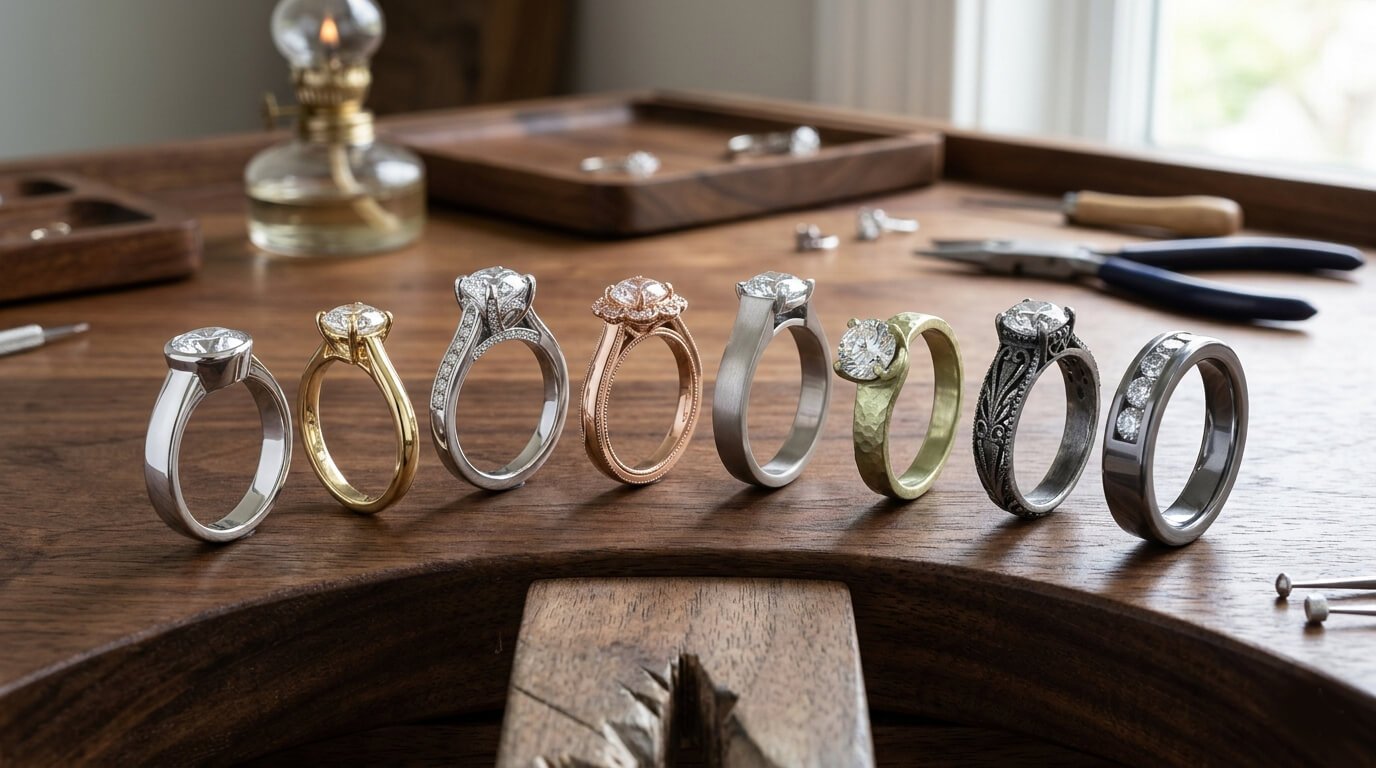
CZ is widely used in class rings and fashion jewelry, often set alongside other synthetic stones. Jewelry buyers and pawn shops view these stones as having “little to no resale value”. A pawn shop’s evaluation will focus almost entirely on the metal, not the stone.
What Determines the Value at a Pawn Shop?
While the cubic zirconia has no value, the jewelry piece may still be worth something based on:
1. The Metal Setting
This is the primary factor. Pawn shops assess jewelry based on the purity and weight of the precious metal. As Josh Stern of Sunrise Pawn Brokers explains, offers are based on melt value, calculated by the weight and purity of the gold, rather than sentimental or retail value.
| Metal Type | Typical Value at Pawn |
|---|---|
| 24K Gold | Highest value; paid by weight and purity |
| 18K Gold (750) | High value; 75% pure gold |
| 14K Gold (585) | Moderate value; 58.5% pure gold |
| 10K Gold (375) | Lower value; 37.5% pure gold |
| Sterling Silver (925) | Some value, but significantly lower than gold |
2. Weight and Purity of Gold
Pawn shops typically base their offer on the melt value of the precious metal. They will weigh the piece, test the gold or silver purity, and deduct a percentage to cover the weight of the stones. To calculate your gold’s value, you need to apply the percentage of your item that is pure gold to the current spot price. Remember, buyers will deduct a margin for costs.
With gold prices near historic highs—recently surging to over $5,000 an ounce—it may be a smart time to consider selling gold jewelry you no longer wear.
3. Craftsmanship and Condition
While most CZ jewelry is evaluated primarily on its metal content, condition and design might increase value for rare or designer pieces. A worn finish may make it less valuable, while a clean, shiny finish may allow it to be sold at a higher price.
How Pawn Shops Determine Value
According to industry experts, pawn shops follow a systematic process to evaluate jewelry:
-
Check existing inventory: They look at similar items they already have in stock as a reference point for market value.
-
Examine materials and workmanship: They assess the metal purity, condition, and craftsmanship.
-
Check value databases: They use databases containing estimated values for different items.
-
Consider demand: The current market demand for similar pieces affects the offer.
For more detailed guidance on selling gold jewelry, you can explore the International Gem Society for educational resources on gemstone valuation.
What to Expect If You Sell CZ Jewelry
-
Offer Based on Metal Only: Pawn shops will evaluate your jewelry based on the weight and purity of the gold or silver. The cubic zirconia stones will be treated as having no added value.
-
Low-Ball Offers: Pawn shops are businesses that need to resell at a profit. Expect an offer well below the retail price of the metal, often around 25–50% of the scrap value.
-
CZ in Sterling Silver: If your piece is set in sterling silver, the offer will be very low.


 English
  العربية
  Nederlands
  Français
  Deutsch
  Ελληνικά
  Bahasa Indonesia
  Italiano
  日本語
日本語  Português do Brasil
  Português
  Русский
  Español de México
  Español
  Українська
  Tiếng Việt